
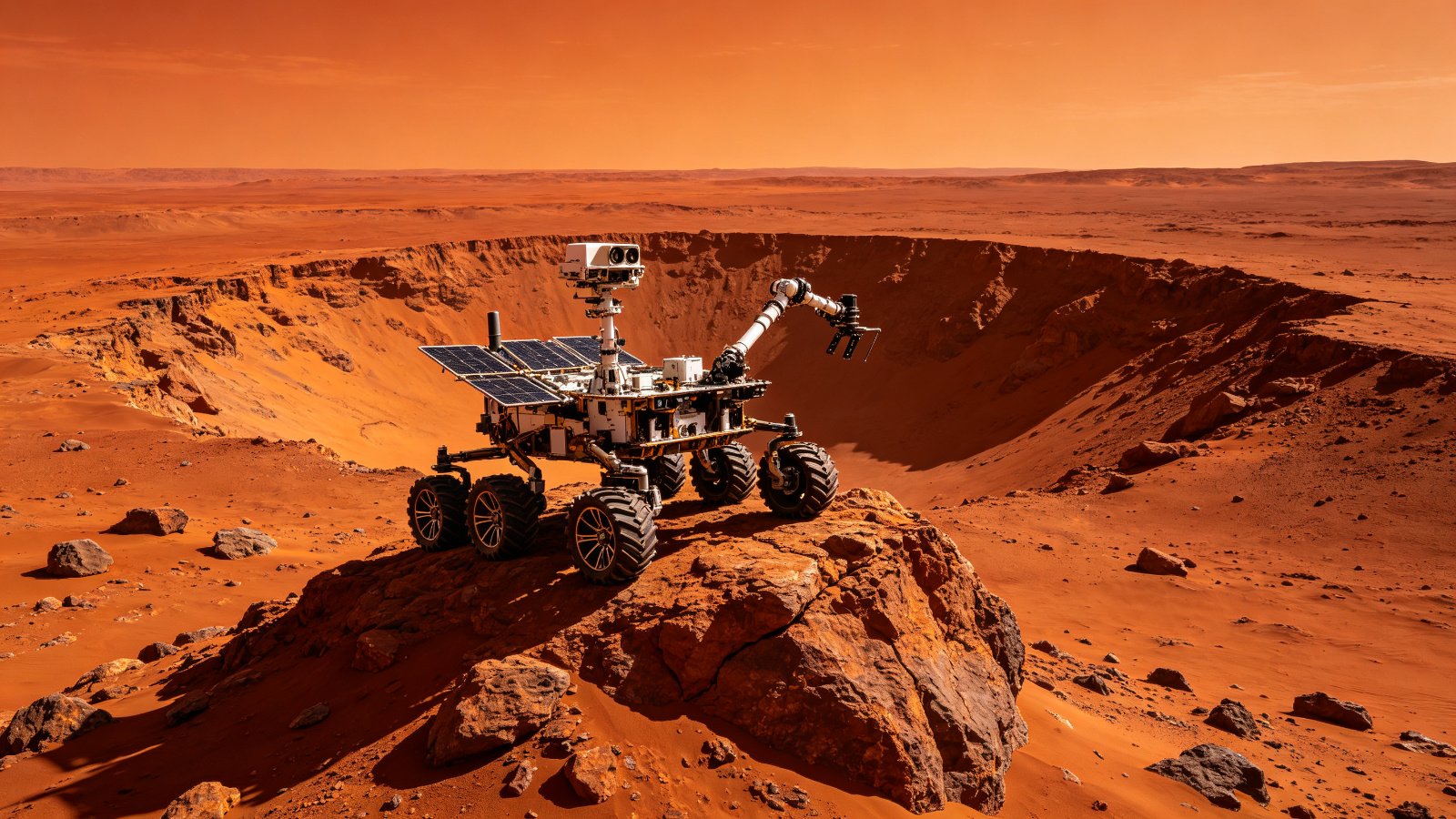
Mission controllers confirmed that the Mars rover has completed its initial survey and will now begin climbing the rugged rim of an ancient impact crater. Scientists hope the site holds layered rock that may contain evidence of past water.
The rover has already transmitted more than two terabytes of imagery and soil analysis data. One of its instruments detected minerals that often form in wet environments, prompting researchers to prioritize the crater rim as the next target.
The climb is expected to take several months. Engineers have updated the rover's autonomous navigation software to handle steeper slopes and rock fields, reducing the need for daily instructions from Earth.